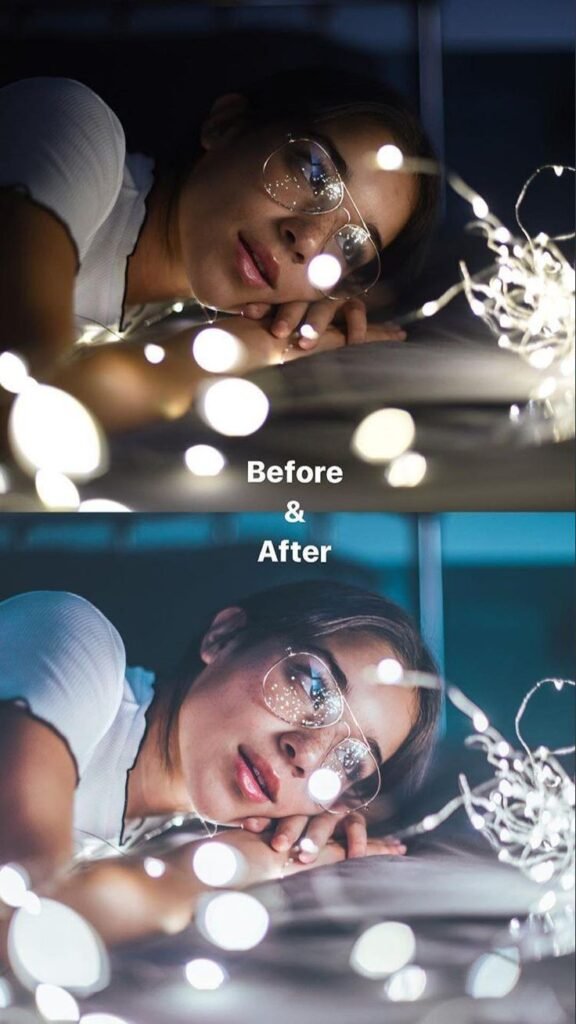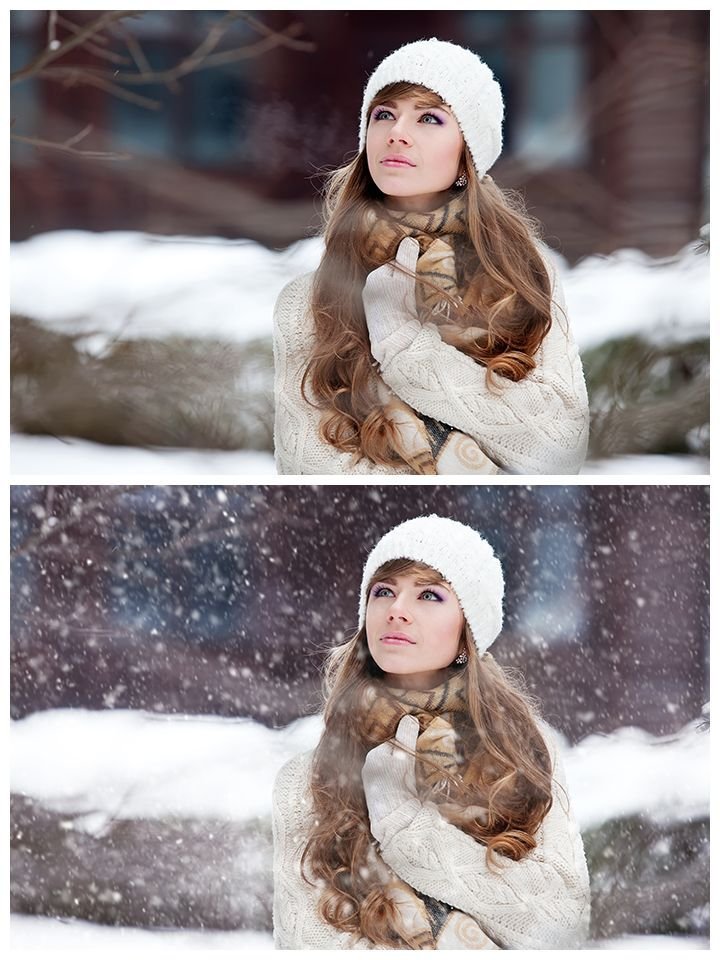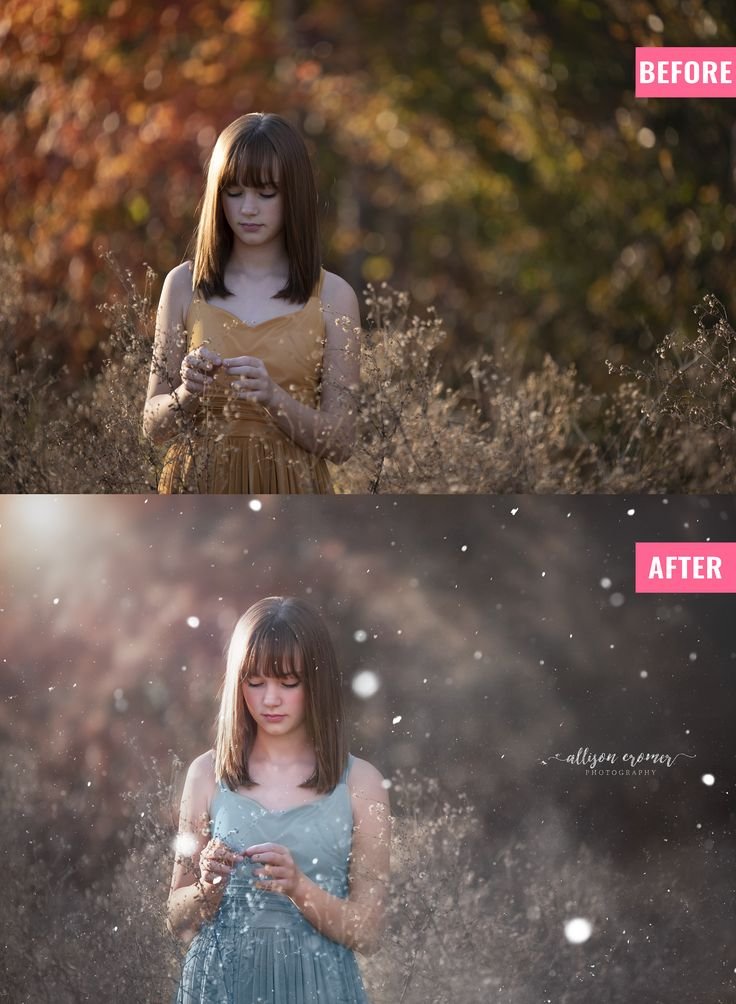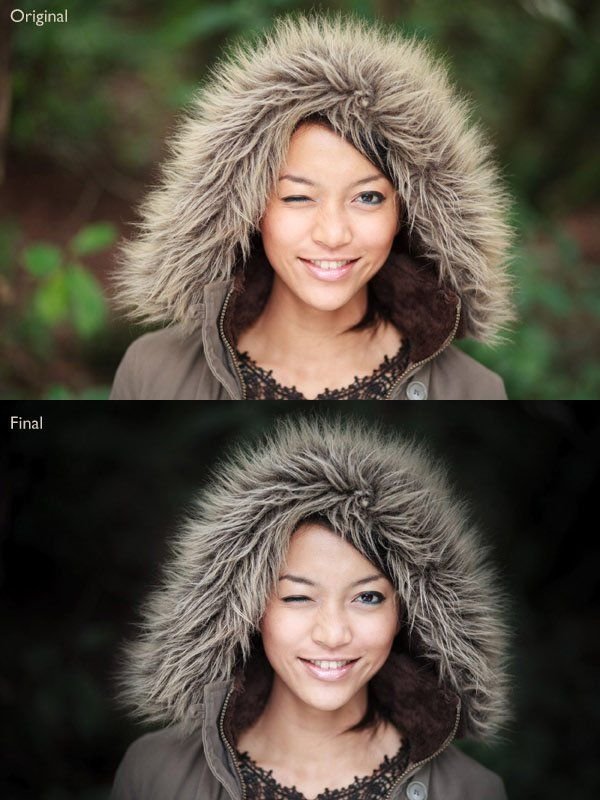
Cinematic reflection portraits create emotional intensity through light control, color grading, and psychological framing. A mirror scene is powerful because it visually represents introspection, mystery, and mood without requiring complex props.
In this guide, you will learn how to transform a simple low-light bathroom mirror portrait into a dramatic cinematic reflection image using structured AI prompts and professional color grading principles.
This method works with ChatGPT image tools, Gemini AI image editing, and other advanced AI-based generators.
Understanding the Base Image
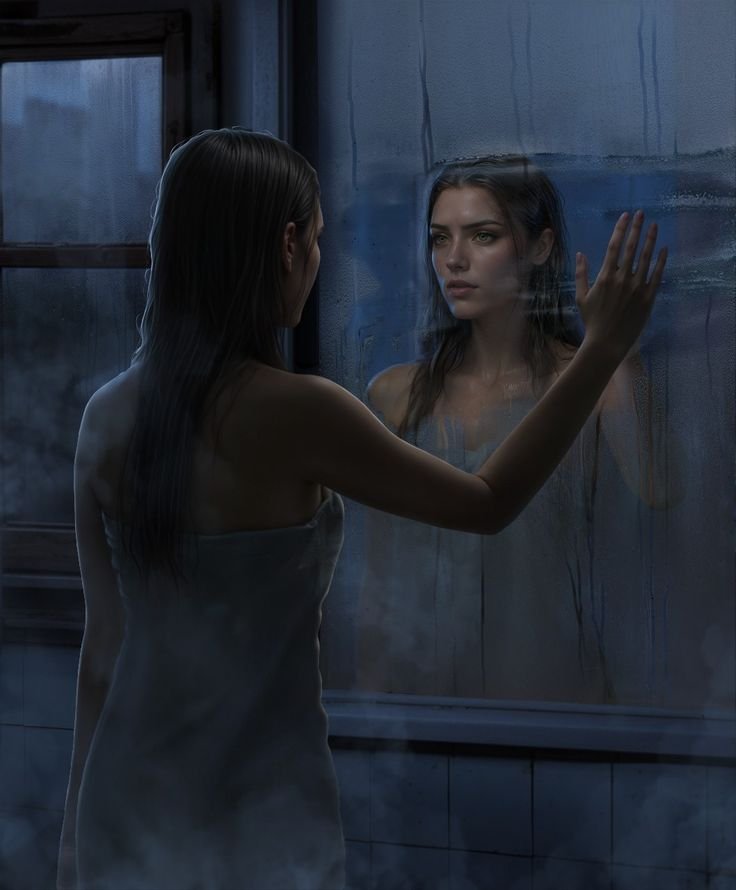
The original image contains:
- Cool blue low-light environment
- Soft natural shadows
- Visible mirror reflection
- Moisture texture on glass
- Emotional neutral facial expression
- Window side light source
The composition already carries strong storytelling potential. The goal of editing is not to change the subject, but to enhance emotional depth and light direction.
Creative Concept Behind This Style
This portrait style focuses on three visual pillars:
1. Emotional Isolation
Dark surroundings emphasize the subject’s internal mood.
2. Reflection Contrast
The mirror reflection must feel slightly brighter yet realistic, creating psychological tension.
3. Controlled Blue Tones
Cool shadows enhance cinematic atmosphere without making skin tones unnatural.
Professional Editing Breakdown
Step 1 – Exposure Control
Slightly increase midtones but protect highlights. Keep background darker than subject.
Step 2 – Enhance Reflection Brightness
Increase exposure subtly on reflection area to separate real subject and mirrored image.
Step 3 – Add Soft Rim Light
Introduce faint edge light along shoulders and hair for subject separation.
Step 4 – Color Grading Strategy
- Deep blue shadows
- Neutral midtones
- Slight warm tone on skin highlights
- Reduced overall saturation
Step 5 – Texture Preservation
Keep moisture streaks and glass condensation visible. Texture adds realism.
Step 6 – Depth Enhancement
Add subtle vignette around frame edges to guide focus toward face and reflection.
AI Prompt for Dark Reflection Mirror Portrait
Use this structured prompt inside ChatGPT image tools, Gemini, or other AI generators:
Prompt:
Cinematic dark moody portrait of a woman standing in front of a foggy mirror at night, cool blue lighting, soft window light from the side, realistic reflection detail, emotional expression, subtle rim light, shallow depth of field, ultra realistic skin texture, cinematic color grading, dramatic low light photography, moisture texture on glass, high detail, professional portrait photographyRecommended Negative Prompt
overexposed highlights, flat lighting, oversaturated colors, unrealistic skin smoothing, distorted face, cartoon style, harsh shadows, low resolution, artificial glowLighting Psychology Explained
Cool blue tones communicate:
- Isolation
- Introspection
- Mystery
- Emotional tension
Mirror reflections amplify psychological storytelling. The viewer feels like observing a private emotional moment.
Professional cinematic editing always supports narrative.
Common Editing Mistakes
Avoid:
- Over-bright reflection
- Excessive blue tint on skin
- Heavy noise reduction removing texture
- Unrealistic HDR effect
- Strong contrast that destroys shadow detail
Subtle refinement delivers premium results.
How to Capture Better Mirror Portraits
For better AI editing results:
- Shoot near window for natural side light
- Avoid direct flash
- Use slightly fogged mirror for texture
- Keep subject slightly off-center
- Maintain sharp focus on eyes
Strong base photography reduces correction work.
Advanced Enhancement Variations
You can expand this concept into:
- Rain Window Reflection Portrait
- Night Apartment Cinematic Mood
- Blue Hour Emotional Mirror Scene
- Soft Candlelight Reflection Edit
- Noir Film Inspired Portrait
Each variation targets separate keywords and builds stronger topical authority.
The Dark Reflection Mirror Portrait style demonstrates how lighting, color psychology, and reflection balance can transform a simple indoor image into a cinematic storytelling frame.
When using AI tools like ChatGPT or Gemini, focus on structured prompts, realistic enhancement, and consistent light logic.
Professional cinematic editing is about emotional realism, not visual exaggeration.
All images used in this guide are shown for demonstration and educational purposes only. Some images may be AI-generated or edited samples and do not claim ownership of original photographs.